
Acoustic Monitoring
We know acoustics
JASCO Applied Sciences performs over 100 acoustic recorder deployments every year capturing 100s of terabytes of passive acoustic monitoring (PAM) data.
Our specially trained and experienced field scientists provide comprehensive and cost-effective acoustic monitoring services anywhere, under any conditions.
Short and long term autonomous measurements
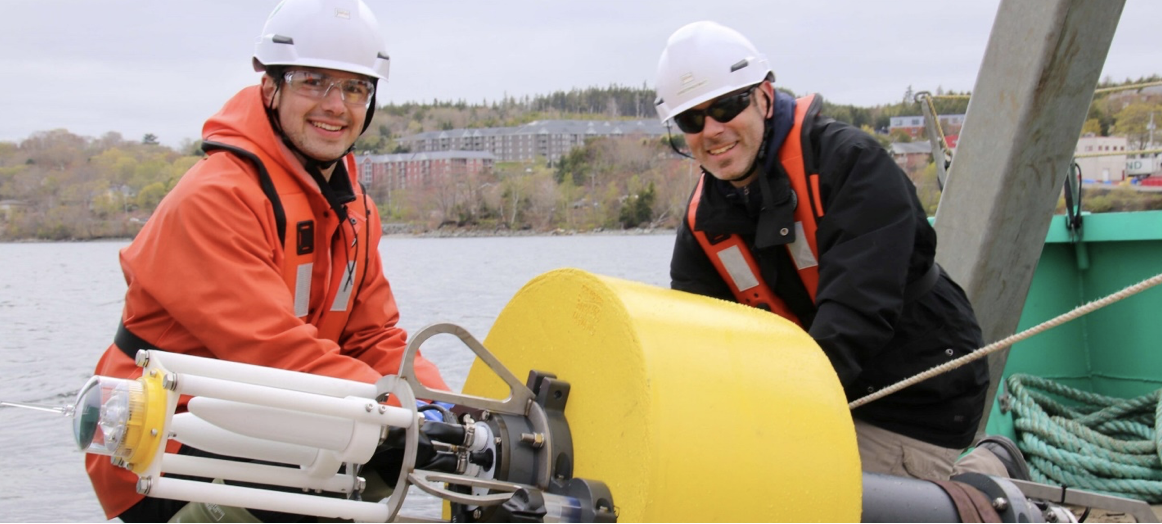
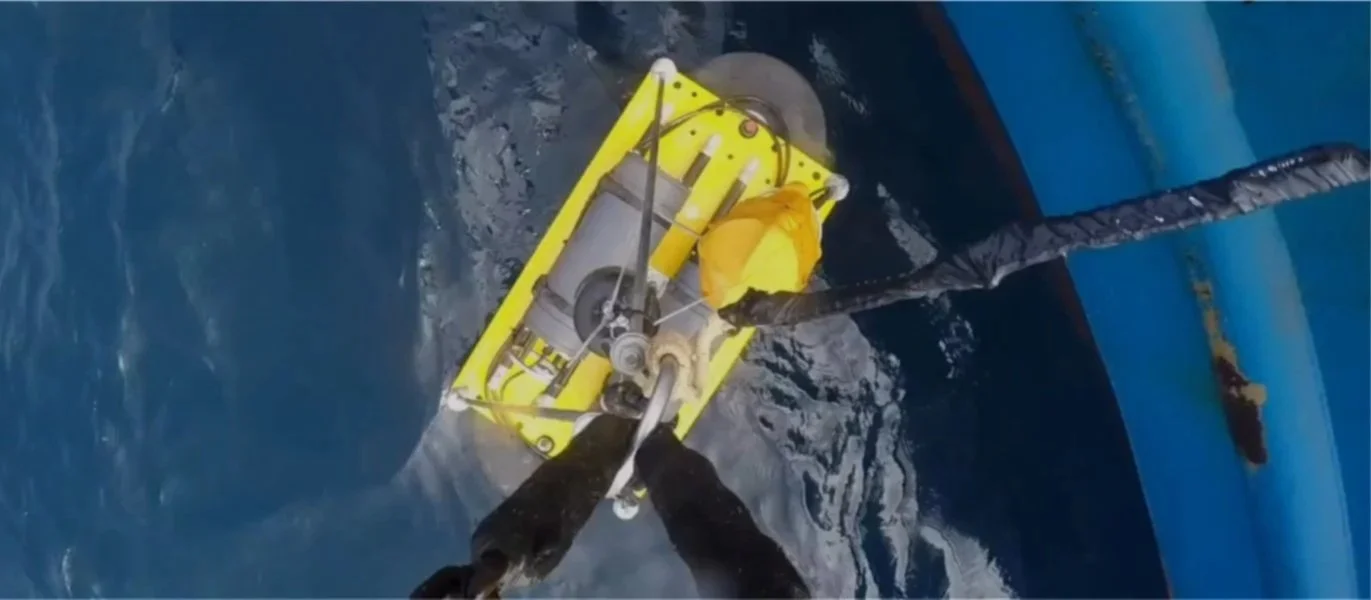
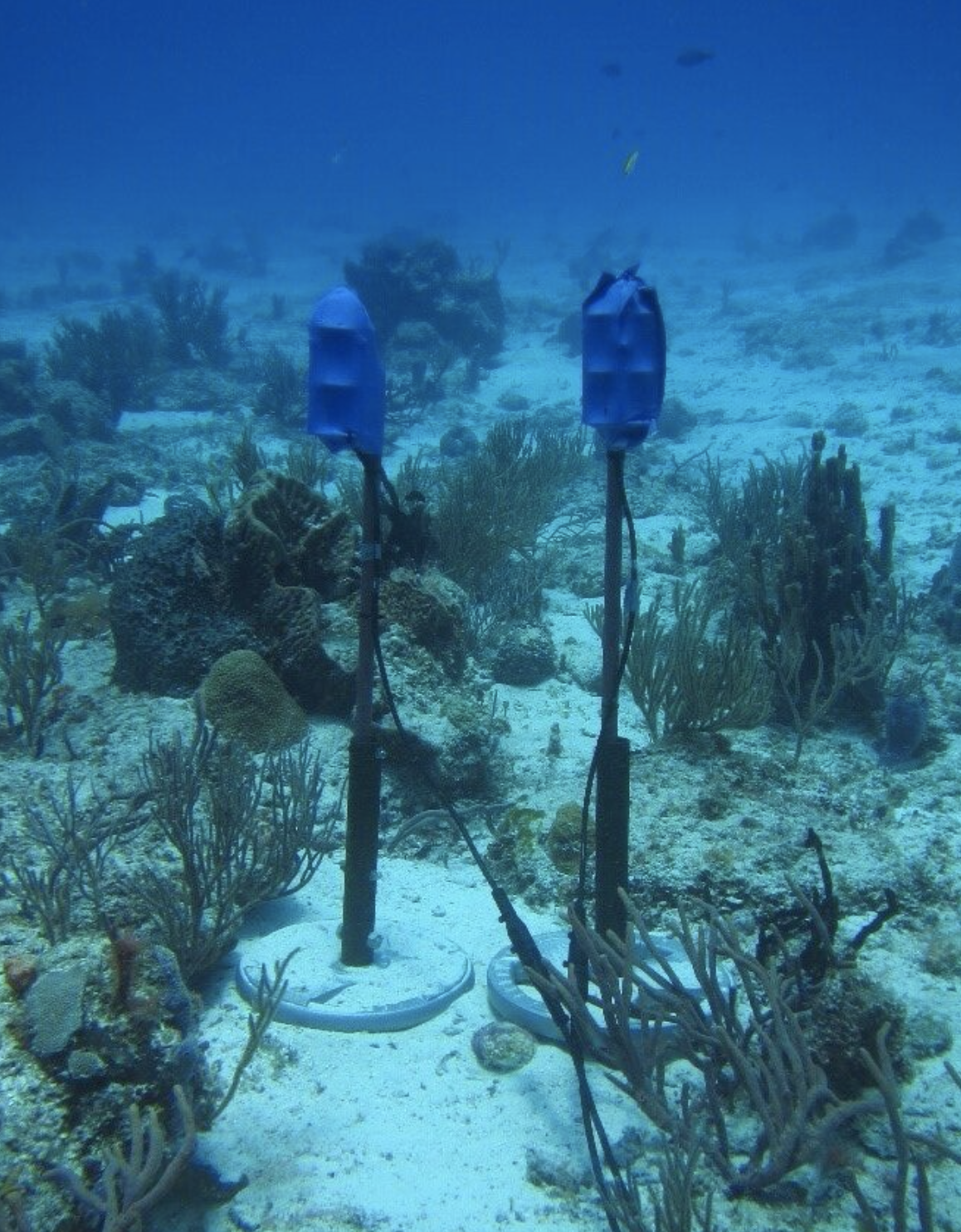
Unlike aerial and vessel-based visual surveys, our autonomous recorders capture underwater sound and detect marine animals through their vocalizations in all weather and light conditions. We deploy underwater recorders for days, weeks, or months to characterize all types of industrial sound sources including:
Geotechnical survey sources such as air gun arrays, seismic sources, and active sonar;
Vessels of all types and sizes such as tankers, tugs, and ice breakers;
Construction activities such as pile driving, blasting, dredging, and drilling;
Oil and gas exploration such as drill ships, platforms, and support vessels;
Renewable energy installations such as wind, wave, and tidal generators.
We also perform multi-year acoustic monitoring over large areas to determine regional and long-term acoustic effects.
Custom passive acoustic monitoring programs
JASCO’s scientists and engineers custom design each measurement program with the specific mission objectives in mind, ensuring that our clients’ needs to satisfy all regulatory requirements are met. We provide valid and defensible scientific results to:
Characterize and mitigate industrial noise;
Confirm safety zones and radii used in ongoing operations through Sound Source Verification (SSV) and Characterization (SSC) measurements;
Assess existing shipping activity and ambient/background sound levels;
Determine marine fauna presence, abundance, and habitat use through autonomous or real-time passive acoustic monitoring;
Confirm effectiveness of acoustic deterrents, depredation mitigation, and bycatch pingers.
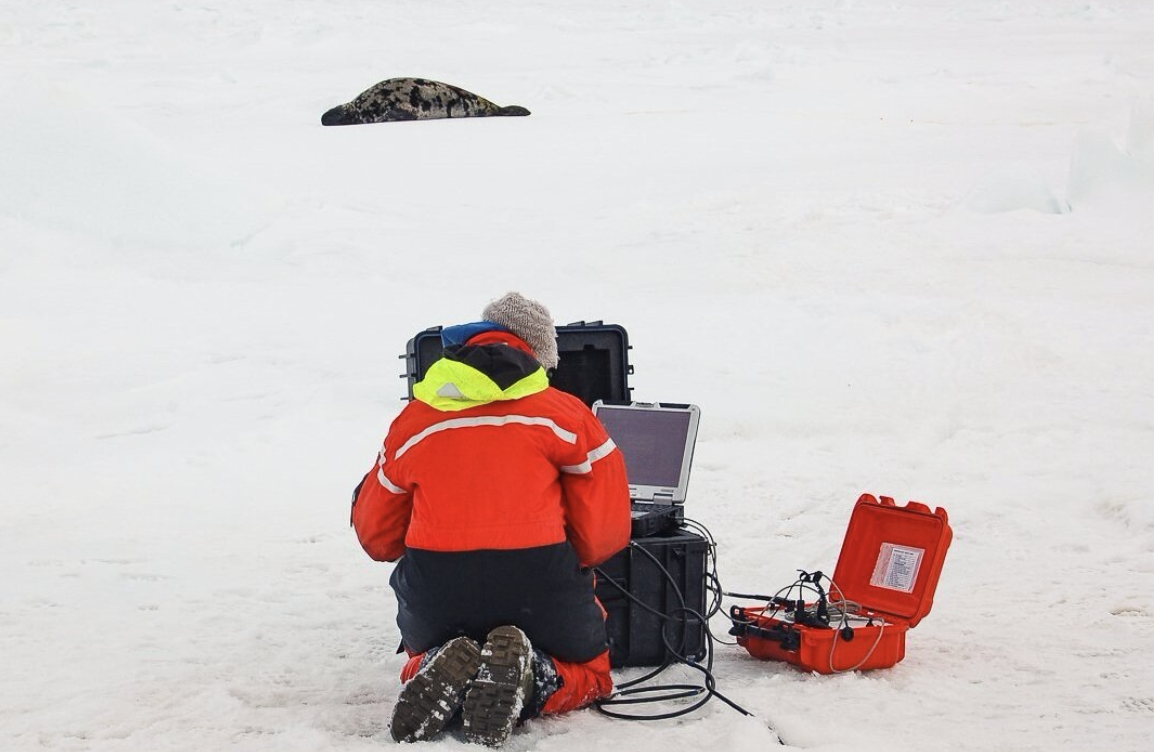
Real-time monitoring
JASCO’s innovative technologies provide real-time streaming and analysis of underwater sound. Our experienced acousticians monitor and interpret the sounds in the ocean in real-time with:
Acoustic telemetry buoys;
Towed arrays;
Cabled hydrophones.
We can detect marine mammal calls in real-time during operations and can verify that industrial noise levels remain within acceptable limits in ecologically sensitive areas.
Specialized equipment
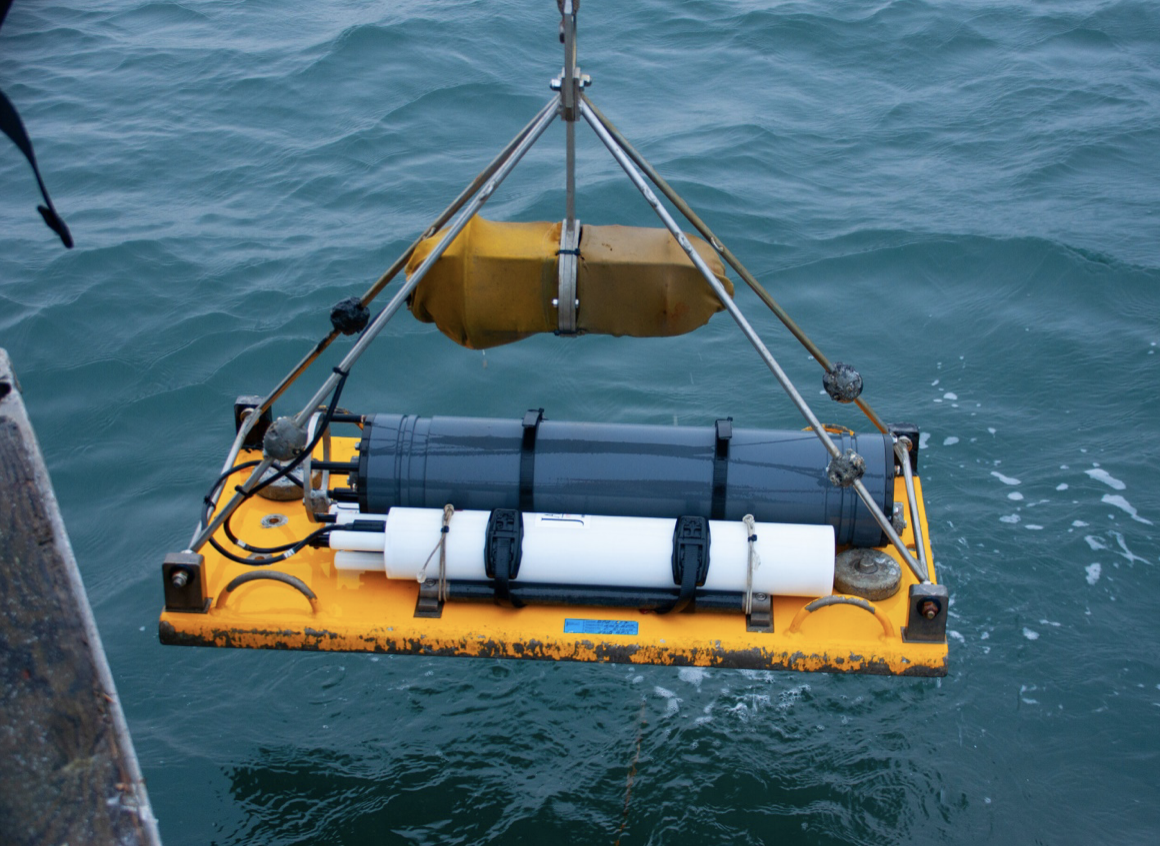
JASCO designs, develops, and manufactures industry-leading data acquisition systems and rugged field equipment to meet project demands for quality, endurance, and performance. These systems include but are not limited to:
Autonomous Multichannel Acoustic Recorder, Generation 4 (AMAR G4 )-- provides advanced configuration options and extended deployment lifetimes, be it high sample rates for detecting high frequency dolphin calls, support for hydrophone arrays for localizing sources, or optimized power use for extended deployments.
OceanObserver --a high performance acoustic and oceanographic data acquisition and processing system for integration into robotic vehicles, buoys, and other platforms.
Ocean Sound Meter--a compact solution for calibrated over-the-side sound level measurements.
Innovative solutions
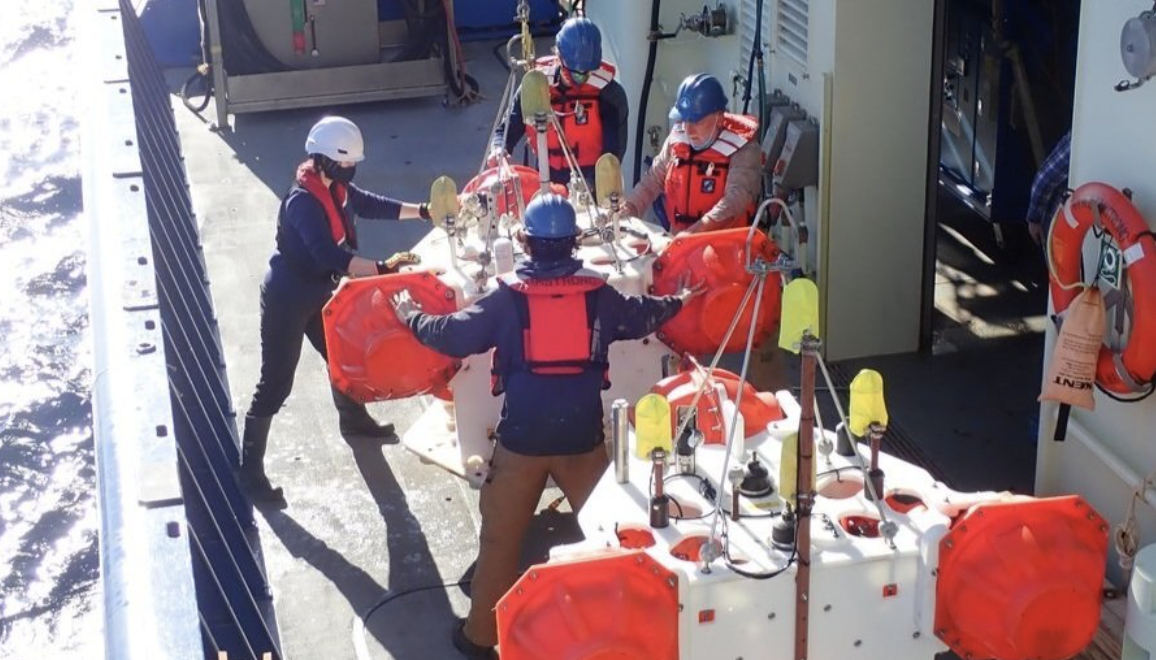
Our specialized scientific equipment and moorings provide quality data in any environment, through solutions that include:
High-strength pressure housings for deep deployments;
Vertical or spatial arrays of hydrophones;
Particle motion and directional sensors;
High-flow moorings to minimize pseudonoise from water flowing around the hydrophone;
Innovative moorings for anchoring in extreme tidal areas and deep waters;
Effective isolation of anchors and hardware to reduce mechanical and vibration noises.
Learn more
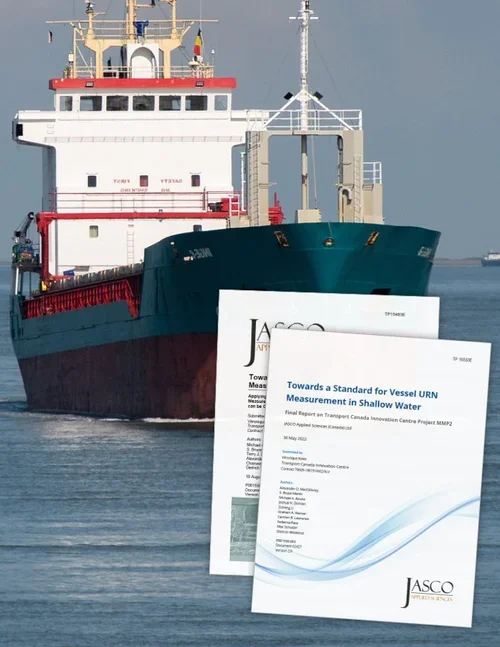
Towards a Standard for Vessel URN Measurement in Shallow Water
2021-2022 — Canada
Client: Transport Canada Innovation Centre
Measuring vessel source levels (SL) in a repeatable way is more difficult in shallow than in deep water. This field experiment evaluates several methods and confirms that obtaining repeatable vessel SL estimates in shallow water is possible and that the methods required are only moderately more complex than those codified for deep water.
A white paper that informed the experimental design for the 2022 report.
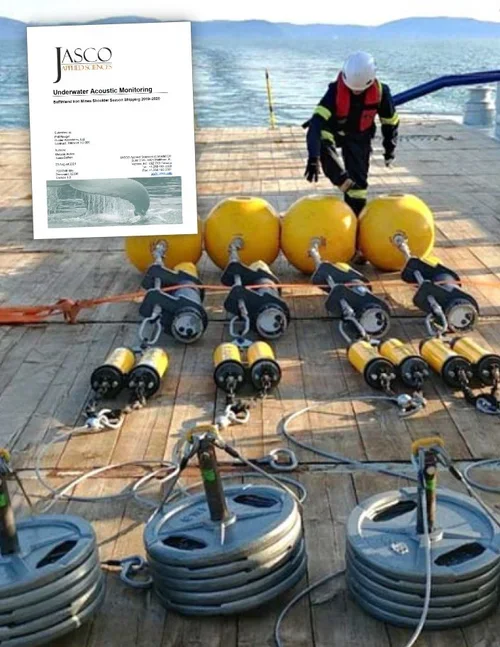
Underwater Acoustic Monitoring: Baffinland Iron Mines Shoulder Season Shipping 2019–2020
August 2021 — Nunavut, Canada
Client: Transport Canada Innovation Centre
JASCO recorded underwater sound at two locations along a shipping route associated with Baffinland Iron Mine’s Mary River Mine on Baffin Island to measure noise levels from the icebreaker MSV Botnica. Noise was analyzed for 17 one-way transits, including those in open-water and in ice-covered conditions with ice concentrations between 0/10 and 9/10. For each transit, two standard metrics of vessel noise emissions were determined—underwater radiated noise levels and monopole source levels—as well as the distance at which sound levels exceeded the threshold for marine mammal behavioural disturbance from shipping.
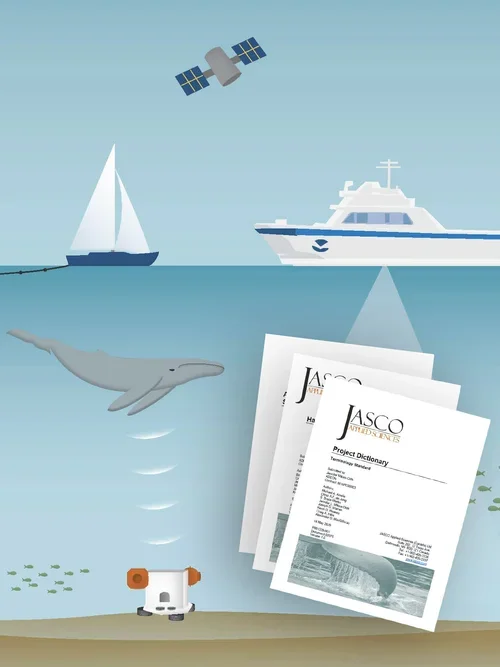
ADEON: Atlantic Deepwater Ecosystem Observatory Network
2018-2020 — Outer Continental Shelf, USA
Client: University of New Hampshire
2020:
• Project Dictionary: Terminology Standard
• Data Processing Specification
2018:
• Underwater Soundscape and Modeling Metadata Standard
• Calibration and Deployment Good Practice Guide
• Hardware Specification
A 3-year collaboration with UNH on an observatory network that generated multi-year, multi-sensor measurements of the ecology and soundscape of the Outer Continental Shelf (OCS). Long-term observations of living marine resources and marine sound will assist federal agencies (BOEM, ONR, NOAA, etc.), in complying with mandates in the Endangered Species Act (ESA), Marine Mammal Protection Act (MMPA), and Sustainable Fisheries Act (SFA). Outputs include standardized tools for comparing soundscapes across regions and predictive models for the soundscape and overall ecology of the southeast OCS.